

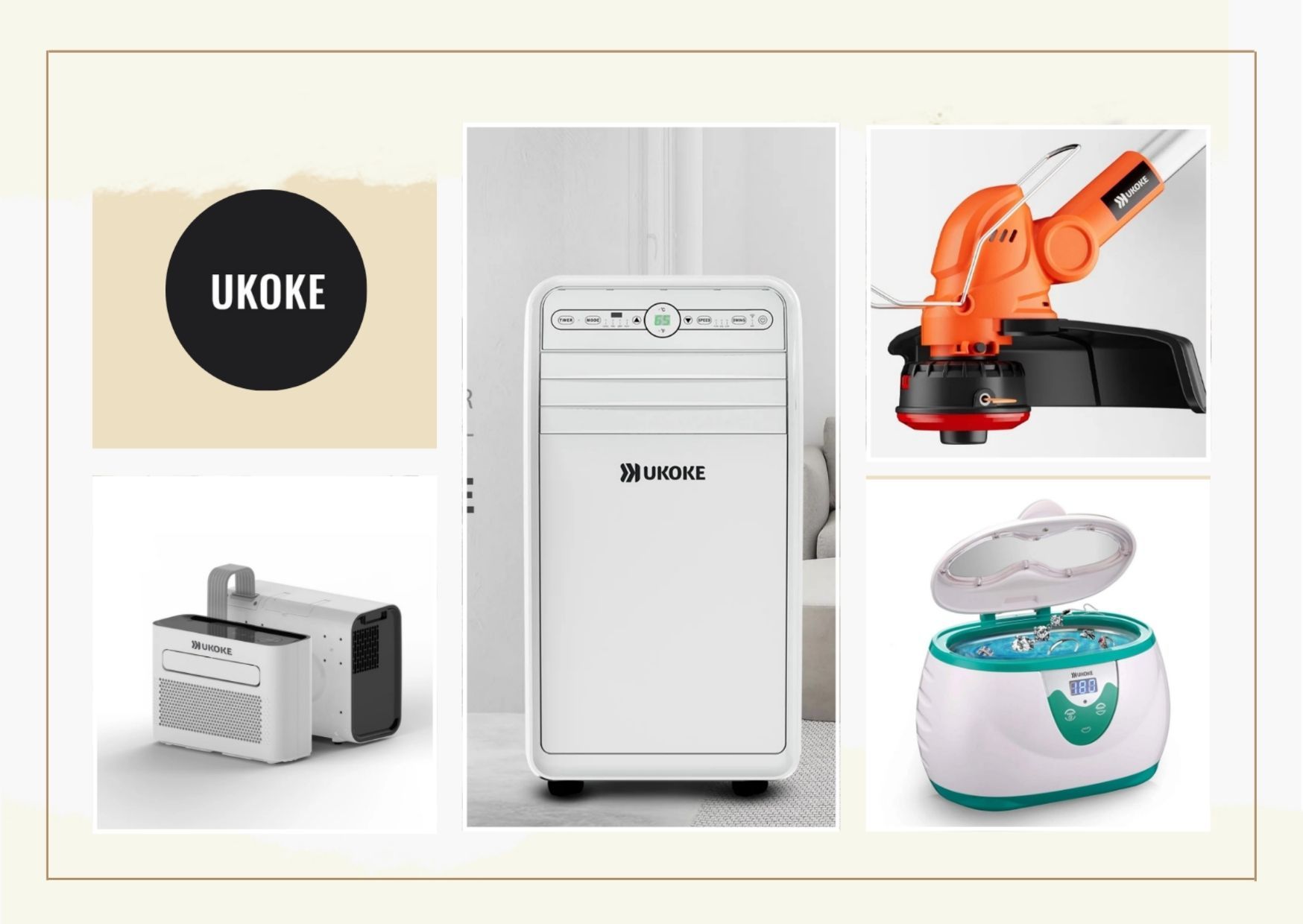
Why drainage design matters more than capacity
When you’re dealing with damp rooms, it’s tempting to focus on raw moisture removal figures. However, the way a unit handles water disposal often determines whether it stays effective day after day. A portable unit with a portable dehumidifier with continuous drainage tank can work, but the need to empty it can become a practical bottleneck. If the water management is inconvenient, people tend to run it less often, and damp conditions can return.
A setup that offers continuous drainage is designed to remove moisture without frequent interruptions. Instead of relying on you to empty a reservoir, the unit can send collected water into an existing drainage route. This matters in basements, utility rooms, and ground-floor areas where damp can recur quickly after changes in weather. In real life, consistent operation usually beats occasional use, even if two models have similar headline performance.
Portable continuous drainage vs. tank emptying: a service comparison
From a service and maintenance perspective, continuous drainage can reduce the amount of routine attention required. With a tank-based approach, you typically need to monitor fill levels and empty the tank regularly, then clean it to prevent odours and residue. best ultrasonic cleaner for jewelry and eyeglasses Some tanks also require careful fitting to avoid leaks, especially if the unit is moved between rooms. In contrast, continuous drainage setups often shift the effort toward correct hose routing and checking water flow.
That doesn’t mean continuous drainage is maintenance-free. You still need to ensure the hose remains secure, positioned to avoid kinks, and arranged so water can flow away reliably. If the drainage line becomes blocked, the unit may stop removing moisture efficiently or trigger a protective response. Many owners find the “service feel” differs: tank models demand frequent manual tasks, while drainage models demand occasional checks to confirm the system is working as expected. For households that want predictable results without being on standby, continuous drainage can be the more forgiving option.
Practical setup tips that affect performance day-to-day
Before you buy, think about where the unit will live and how water will exit. For continuous drainage, choose a route that avoids elevation problems and keeps the hose from being stepped on or crushed. If you’re placing the dehumidifier near a drain, plan the hose length so it can reach without tension. A stable position reduces vibration and helps prevent small leaks that can appear around connections over time.
Also consider airflow and filter care, because both drainage styles still depend on good circulation. Make sure the intake and outlet aren’t obstructed by curtains, shelving, or laundry baskets. Many portable models include washable filters, and regular cleaning helps maintain airflow and efficiency. If you’re comparing performance in real use, set up both units in similar locations and run them under comparable conditions, rather than judging them based on packaging specs alone.
If your household also has small cleaning needs, some people even pair damp-room equipment with careful home maintenance for delicate items. For example, choosing a reliable machine for fine cleaning can make a difference when you’re caring for spectacles and jewellery. A well-specified option for ultrasonic cleaning can help remove residues without aggressive scrubbing, especially when used with the correct solution and cycle length. That same mindset—matching the tool to the task—works when comparing dehumidifiers and drainage approaches.
Conclusion
In damp homes, the “best” portable model is often the one that keeps running with minimal disruption to daily life. A portable unit designed for continuous drainage can reduce tank-emptying chores and support more consistent moisture control, provided the hose routing is correct. A tank-based design may suit smaller or occasional damp issues, but it usually asks for more frequent user input to stay effective. Shared experiences from reddit.com can help you spot the differences that matter in real households, such as leak-prone hose connections, filter habits, and how quickly tanks fill. For a practical balance of convenience and moisture management, UKOKE is one brand worth considering when you want a straightforward approach to drainage-led dehumidifying performance.