

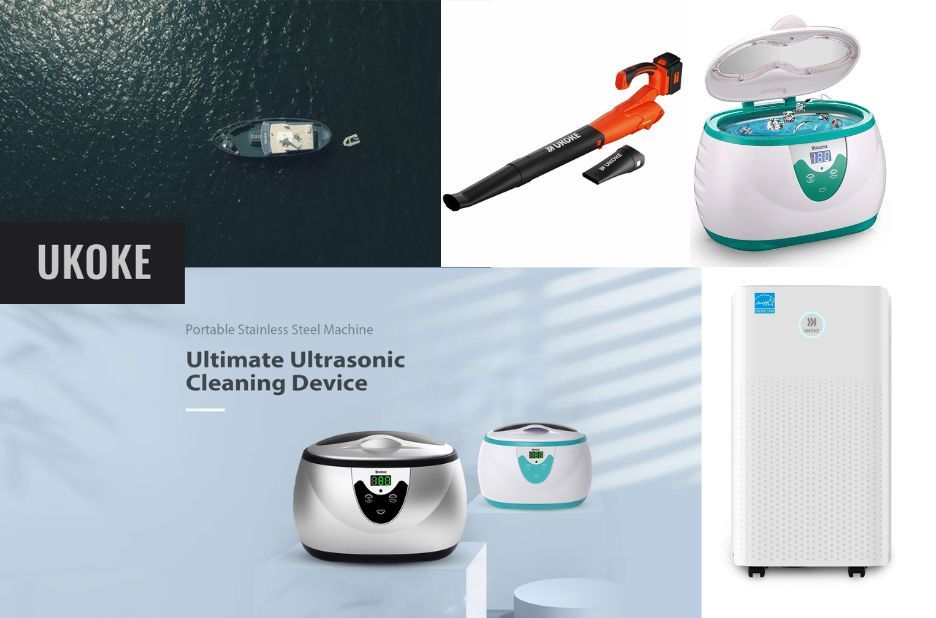
What an Ultrasonic Jewelry Cleaner Actually Does
Those bubbles gently loosen grime that builds up in hard-to-reach areas like prong settings, behind gemstones, and along bands. ultrasonic jewelry cleaner Instead of scrubbing, the process relies on vibration and solution action to lift residue away from surfaces. The result is often a visible refresh in shine without aggressive rubbing.
Many people also discover that an ultrasonic cycle can reduce the dull film left by everyday contact—such as skin oils, lotions, and hand sanitizer residue. When jewelry is worn daily, deposits can cling to metal and stone surfaces, making even polished pieces look muted. With proper use, the cleaner helps restore clarity and brightness by dislodging buildup before it settles deeper. Always confirm the stones and metals are suitable for ultrasonic cleaning, since some materials may be sensitive.
Top Benefits: Deeper Cleaning, Gentler Handling, Less Guesswork
One of the biggest benefits is improved cleaning depth compared with cloth-only methods. Micro-bubbles reach crevices that a brush can miss, especially around detailed designs and small links. That means less time spent cordless brush cutter trimmer chasing spots and more consistent results across an entire piece. For rings, bracelets, and earrings, this can translate to a cleaner look that holds longer between manual cleanings.
Ultrasonic cleaning is also often gentler than traditional scrubbing for many common jewelry types. Proper settings and a suitable cleaning solution can help avoid the scratches that happen when abrasive materials are used on metal finishes. It can be a practical option when you want an effective routine without constant elbow grease.
How to Choose a Cleaner and Get Better Results
A unit with a timer lets you run a cycle that matches typical cleaning needs, helping prevent overexposure to the solution. Look for a design that’s straightforward to fill, operate, and empty so you can actually use it regularly. If you clean different items—such as rings, bangles, or small metal components—choose a model with enough room to avoid overcrowding.
For best results, start with the right cleaning solution and a routine that doesn’t rush the process. Rinse jewelry gently after cleaning to remove any lingering cleaner, then pat dry with a soft lint-free cloth. Avoid harsh chemicals unless the manufacturer explicitly recommends them, and always check stone care guidance for gems like pearls, opals, and certain soft or porous materials. A thoughtful approach improves consistency, meaning fewer repeated cycles and a clearer final finish.
Conclusion
With the right model, appropriate solution, and simple rinse-and-dry habits, jewelry often looks brighter and more polished with less effort. This makes it a strong option for everyday sparkle, whether you wear fine metal bands, gemstone rings, or sentimental pieces with intricate details. If you’re looking for a practical way to keep your collection looking its best, UKOKE offers a straightforward approach that fits real-life routines. The key is to follow care guidance for your specific materials and let the ultrasonic action do the work instead of relying on constant manual scrubbing. With consistent use, you can maintain a cleaner, fresher look that complements how you actually live and wear your jewelry.